We transform
know-how into
an
environment worth living in.

All windo® solutions have only one goal: to improve the lives
and working conditions in the long term.
working conditions. That is why our devices are designed for
production to operation are designed for sustainability.

Innovations that reduce the consumption of resources

windo® conserves resources. Not only because it works much more energy-efficiently than normal air conditioners and air filters - but also because its innovative, self-cleaning filter technology means that the filters no longer need to be changed or disposed of, as is the case with conventional appliances. Environmental protection that also significantly reduces operating costs.

Low energy consumption, high performance.

With just 0.95 kWh, windo® not only cleans at least 14,000 m3 of air per hour, but also cools it down in the process. The efficiency of our solutions is over 85% - an outstanding value that no other system can match.

Power consumption

Low energy consumption, high performance.

With just 0.95 kWh, windo® not only cleans at least 14,000 m3 of air per hour, but also cools it down in the process. The efficiency of our solutions is over 85% - an outstanding value that no other system can match.

Our sustainability goals

From the very beginning, we have been applying our experience and expertise in a targeted manner wherever
we can actively contribute to overcoming the major social challenges
of our time. Based on the Sustainable Development Goals formulated by the UN,
this applies in particular to the following areas:

Good for people, good for insects.

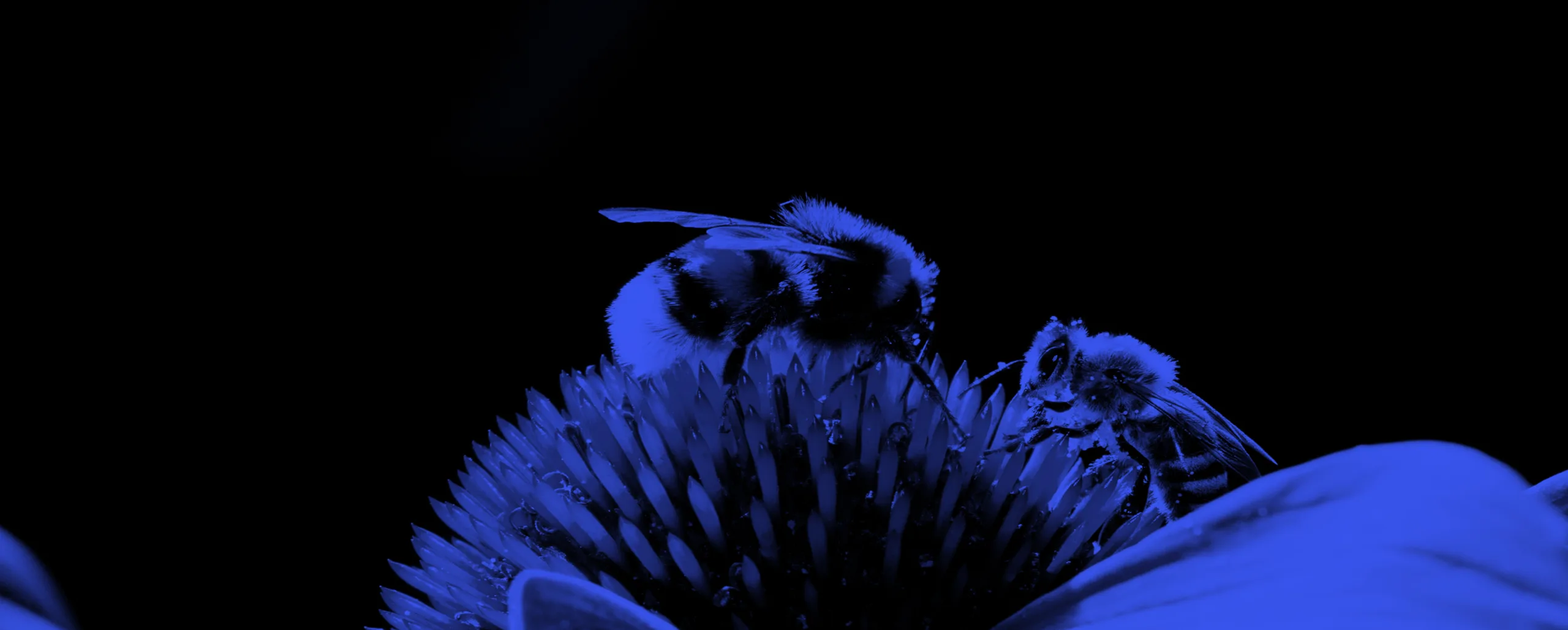
With windo®, even more environmentally friendly biotopes can be created with optional plantings that can be adapted to the conditions of the urban location or the season. This not only adds visual value, but also creates habitats that provide food for bees, bumblebees and butterflies, for example, in urban environments.

Good for people, good for insects.

With windo®, even more environmentally friendly biotopes can be created with optional plantings that can be adapted to the conditions of the urban location or the season. This not only adds visual value, but also creates habitats that provide food for bees, bumblebees and butterflies, for example, in urban environments.